
Buying a handling appliance does not answer who attends when the next coil is needed. A forming-lift project can have an identified equipment package yet no commercial provision for recurring material-service attendance. The buyer’s task is to describe the replacement-coil demand that a real provider is being asked to cover, including the period, object boundary and assumptions about project resources.
The handling-option comparison explains equipment provision versus separately procured handling. This article starts after that distinction: it defines the recurring service request without describing a coil-change procedure. The truck-mounted forming-lift family provides architecture to discuss, not an attendance commitment.
Contents
- Describe the recurring service the project actually needs
- Separate attendance from equipment and material supply
- Compare a limited call-out with a defined work period
- Request an attributable coil-service offer
- FAQ
The UK HSE’s materials-storage guidance describes coordination between clients, contractors, suppliers and trades. It provides useful context for identifying who is involved in a recurring material requirement. It does not allocate coil-change attendance to an equipment seller, establish a handling method or confirm any ARCLIFT service availability.
Describe the recurring service the project actually needs
Name the material object at each commercial boundary
State whether the requested service concerns delivered packaged coils, identified coils in a holding area or another expressly described object. Keep a forming-machine module outside that material description unless a separate equipment task is requested. Ask the provider where its service starts and ends, using the project layout to identify those boundaries. This is a scope definition, not a movement path. The object and boundary should be recognisable to the material owner, the handling provider and the forming-equipment party without any of them interpreting a generic phrase such as coil changes included.
Describe the period and demand assumption
Give the project period for which attendance is requested and explain whether the material demand is fixed, provisional or dependent on another work window. Do not convert a panel schedule into an invented number of changes per shift. Ask the provider what information it needs to price the service and what assumption it proposes where the demand is not yet known. A defined attendance window and an undefined promise to respond whenever needed describe different purchases. The buyer should know which one the actual offer covers before relying on it in the programme.
Identify the person requesting attendance
Name the project role that will communicate the service request and the provider role that can confirm the proposed attendance. This concerns commercial coordination rather than equipment control or an operating signal. Keep the material identity and work-zone reference with the request so the provider can tell which task is being discussed. If several contractors request the same service, ask how the offer addresses that demand. An unspecified assumption that someone on site will arrange it can leave the recurring purchase unowned even when the equipment itself has been supplied.

Reference photograph showing a suspended blue machine module, not a coil. It does not verify coil handling, a service commitment or installation compatibility.
Separate attendance from equipment and material supply
Ask what resources accompany the service
Request the provider’s actual scope for attendance, equipment, personnel and any project resources it expects others to supply. Do not assume an attendant arrives with a particular handling machine or that an equipment rental includes the service. A proposal may describe only attendance using separately supplied equipment. Another may describe equipment provision without ongoing attendance. The practical answer is a list of included resources tied to the same requested object and period, with any dependency on the project explicitly identified. This article appoints no provider and establishes no staffing arrangement.
Keep continuing coil support outside an ambiguous label
Material support during forming, feed equipment and a replacement-material service should each have an identified scope. Ask the equipment parties which arrangement their proposal describes, then ask the service provider what it expects to interface with. The coil-support guide owns the physical support/feed discussion. Here the buyer needs to know whether the recurring attendance offer stops at a named boundary while another party supplies continuing support. An answer about attendance should not be mistaken for approval of that equipment arrangement.
Make interrupted demand commercially visible
A roof work window may change while the provider’s attendance has already been requested. Ask how the actual offer treats a changed period, deferred request or additional object. Leave the commercial terms for negotiation rather than assuming a cancellation allowance or an unlimited extension. The buyer can describe possible interruptions without prescribing what the equipment should do when work pauses. This distinction prevents a procurement article from becoming an operating instruction and gives the provider a concrete question about the service it is prepared to quote.

Reference photograph showing a suspended steel coil beside vehicle-mounted apparatus. It does not verify current handling-option availability or an approved coil-change method.
Compare a limited call-out with a defined work period
Work through a hypothetical service mismatch
Imagine a contractor expects recurring material attendance throughout a roof phase. Provider A quotes one named attendance event. Provider B proposes attendance over a defined project window, with material and site-resource assumptions still requiring confirmation. These hypothetical offers do not cover the same demand. A may be useful for a one-off request, while B requires more information before the contractor can rely on its wider period. Neither is automatically cheaper or more suitable. Ask each provider to respond to the same requested period and object boundary before comparing the complete commercial purchase.
Put period and exclusions beside the service description
| Service question | Single-event reply | Defined-period reply |
|---|---|---|
| What demand is covered? | Identify the named event and object | State the period and demand assumption |
| What resources accompany it? | List attendance and equipment separately | Identify continuing and separately requested provision |
| What does the site supply? | Record event-specific project inputs | Record assumptions applying through the period |
| What changes the scope? | Ask about another event or object | Ask about revised demand or a changed window |
| Which interface is excluded? | Name the end boundary | Name recurring external dependencies |
| What remains unpriced? | Keep further attendance visible | Keep unresolved demand and resources visible |
The trade-off concerns the purchased coverage and retained project commitments. A service heading cannot establish the actual attendance response, resource availability or equipment suitability.
Distinguish the service evidence from the work plan
An attributable written proposal should name the provider, requested period, included resources and assumptions. It is not the handling plan for a particular activity. The project’s appointed parties still need the actual equipment and site information needed for their responsibilities. Ask who will provide that interface information without declaring the service provider responsible for all engineering decisions. The buyer gains a usable purchase boundary when it can identify what is quoted and what remains outside it, rather than when every task is placed under one undefined service label.
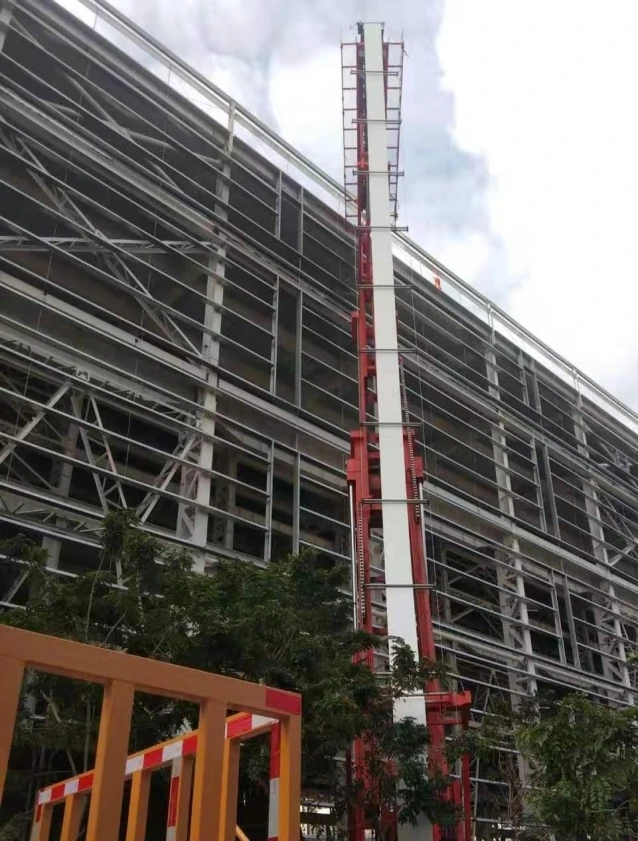
Reference photograph showing a long sheet beside a building and elevated apparatus. It does not verify continuous production, staffing or panel receiving permission.
Request an attributable coil-service offer
Send the six attendance inputs together
- Identify the replacement material, package condition and requested service start and finish boundaries.
- State the requested project period, work-zone references and whether recurring demand is known or provisional.
- Name the provider resources requested and the project-supplied equipment or services expected to interface with them.
- Attach the intended former arrangement, outlet height and roof receiver for the separate equipment discussion.
- Show site access, ground information and support-space constraints without prescribing the handling activity.
- Include destination documentation, transport assumptions and power/control boundaries relevant to the actual service proposal.
The request should let a provider explain a qualification in precise terms: a different period, another resource or an excluded interface. Avoid asking for a general promise of continuous support when the demand has not been described.
Reconcile the reply with the equipment purchase
Put the service proposal beside the lift and feed-equipment offers. Identify any item each assumes the other provides. If the equipment purchase includes an auxiliary appliance but the attendance offer assumes a separate machine, request a response from the responsible parties rather than resolving the mismatch by appearance. Compare the complete boundary with the forming-lift price worksheet. An unresolved service should remain an open purchase item, not become a guessed allowance used to make one equipment offer appear complete.
Recognise an attendance offer that may not fit
An offer may not fit when it covers only initial delivery but the project expects repeated material attendance, or when its resources depend on equipment nobody has agreed to supply. This article establishes no ARCLIFT coil-change service, response time, staffing level, handling rating or operating sequence. It also does not decide where a coil is supported during forming. The useful purchasing result is an actual provider response about a defined recurring demand, leaving the project-specific equipment and activity assessment to its appointed parties.
Discuss the recurring service boundary
Ask ARCLIFT about the coil-service scope with the material object, period and requested boundary. Add the site roof zone, outlet height, destination and transport context. Ask what equipment information can be coordinated and which attendance services require a separate provider. Final project-specific commitments must be stated by the actual parties; this enquiry is not an attendance booking. The editorial photographs show reference scenes and no recurring service commitment or approved material activity.
FAQ
Does an optional coil appliance include recurring attendance?
Do not assume it. Ask which equipment and services are actually quoted. An appliance description and a provider’s attendance period answer different purchase questions and should remain separate in the comparison.
Can a panel schedule define the attendance requirement?
It can describe intended project demand, but ask the actual provider which further information its offer needs. Do not infer a standard number of changes, response time or staffing arrangement from panel quantities alone.
Is attendance the same as a handling plan?
No. A commercial service boundary identifies what is bought. The actual handling activity still needs the responsible parties’ equipment and project assessment. This article supplies no transfer path, procedure or equipment selection.
What if the roof work period changes?
Identify the changed period and ask the provider what its proposed terms cover. Keep the response attributable to the actual offer. No standard extension, cancellation or additional-attendance allowance is established here.