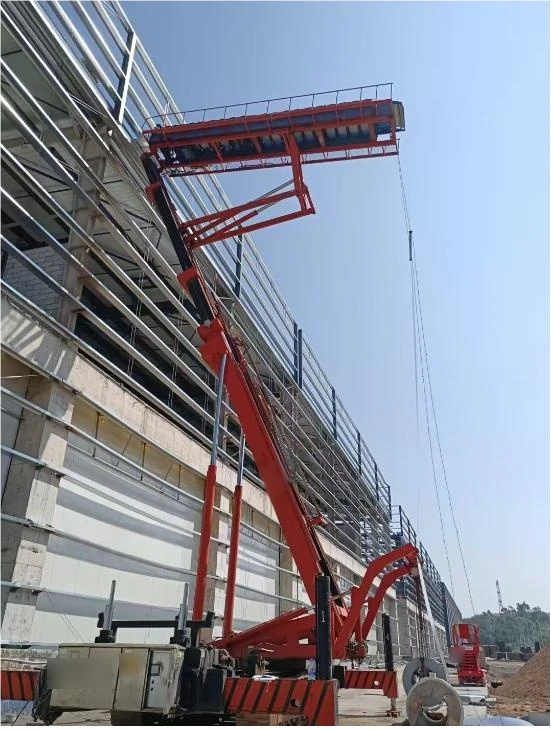
A changed former or roof receiving position can turn an agreed roll-forming lift purchase into a different equipment-and-site proposal. The useful question is which physical relationships have changed, what alternatives could address the required panel task, and how those alternatives affect the supply scope. Asking only for an upgrade price leaves the reason for the change unanswered.
The configuration includes the compatible roof-panel former, lifting arrangement, relevant carrier or chassis, feed interface and site assumptions. A product name does not describe that combination. This guide follows a changed purchase requirement through its interface and commercial consequences. It provides no modification instructions or approval to alter equipment. The technical document package guide covers the separate task of interpreting supplier documents.
Contents
- Establish the original purchase and changed requirement
- Trace the interfaces affected by the change
- Compare physical alternatives for the same panel task
- Request a bounded change proposal
- FAQ
Establish the original purchase and changed requirement
Retain the basis of the original selection
Identify the original former and lift, the applicable drawings, supplied accessories and site layout used for selection. Include conditions that were still open. A preliminary recommendation based on an unconfirmed former is different from a proposal reviewed against named machine information. The comparison should start from the actual purchase basis, not a photograph or a message saying the system is similar to an earlier one.
Retain the required panel task too: profile, material, intended receiving area and relevant production scope. Those requirements allow the alternatives to be compared fairly. Otherwise a replacement proposal may appear to solve the purchase problem while quietly changing the panel task it is expected to serve.
State the change in physical terms
Describe whether the former, outlet location, feed equipment, chassis, roof zone or site connection changed. Put the old and new information beside each other. Identify whether the new input is confirmed or merely proposed. “Customer revision” gives the recipient no useful starting point; “replacement former with a different outlet reference” points to an interface that needs comparison.
A corrected drawing can matter as much as a changed component if the original decision relied on the wrong dimension. Conversely, an administrative correction need not create a new physical arrangement. Ask what consequence the revised information has for the actual equipment and site relationship, without assigning importance solely from the revision label.
Keep equipment functions distinct
Crawler roll-forming lifts and truck-mounted roll-forming lifts position a compatible former. Ceiling and wall-work platforms address a separate access task. A request for a work deck, a replacement former or a different carrier therefore needs an explicitly described configuration; none is a universal option that follows from the word platform.
Related roll-forming machine integration concerns the profile, tooling, material path, machine geometry, power and controls. A forming-machine reference does not establish compatibility with every lift or inclusion of a complete forming line in the revised order.

Local reference photograph of a blue machine module; it does not establish interchangeability between forming machines, verify mounting dimensions or authorize a substitution.
Trace the interfaces affected by the change
Former geometry and the lifting support
Two formers making a similar profile can differ in mounting locations, equipment mass distribution, service access and outlet position. Ask for the replacement machine’s actual information. The mounting interface review identifies the detailed inputs; the change proposal should explain which earlier conclusions need another look.
Do not assume that an unchanged nominal platform height preserves the output relationship. The former’s outlet position is part of that relationship. A larger model label cannot show how the new machine connects to the support or where its panels emerge.
Feed equipment and the material boundary
Changes in coil information, feed direction or the separate feed unit can affect another provider’s scope. Name that provider and show the changed equipment arrangement. A lift-only quotation may not include the component or service required to resolve the material-side interface.
Keep the distinction between the panel requirement and the feed proposal. A buyer may need the same finished profile while changing how material is supplied. That still requires the relevant equipment information; the appearance of coils beside a lift does not establish an acceptable feed arrangement.
Chassis, carrier and equipment state
A substitute truck chassis raises vehicle integration questions about the actual geometry, mounting provisions, mass allocation and destination requirements. The chassis interface guide and payload allocation review route those inputs to the responsible specialists. Similar vehicle dimensions are not proof of equivalent integration.
Also identify the requested equipment state. An accessory present for a working arrangement may alter the transport question. A request for raised travel is a new capability question, not merely a programme revision. The configuration documents must establish the permitted states; tracks or a carrier photograph cannot supply that answer.
Roof geometry, supports and site services
A different receiving area may change outlet direction, height references, standing position, support space, access and services without changing the purchased machine. Show those relationships on the revised plan and section. The roof-zone survey guide supplies the detailed geometry questions.
Keep the site changes together. Moving a standing position to address the receiver may also change the available feed area and power route. A response about only the outlet cannot settle those other interfaces. Ask the relevant site and equipment parties to state the scope of their conclusions.

Local reference photograph of a coil near vehicle-mounted equipment; it does not establish an approved coil mass, feed arrangement or permissible change to the installed system.
Compare physical alternatives for the same panel task
Define one outlet-and-receiver mismatch
Consider a hypothetical purchase based on a named former and an initial roof receiving area. The project later proposes a receiving zone offset to a different side of the original output line, while the proposed standing position remains unchanged. The original outlet arrangement therefore needs to be compared with that revised receiver. The question is how the complete proposal might be revised, not whether the machine can be given a larger label.
Keep the required panel profile, material and remaining roof task common to the alternatives. Ask the responsible parties to compare retaining the original equipment with a revised site concept against a specifically identified replacement former with the revised zone. Neither alternative is established as feasible by this example.
Compare retaining the former with a revised site concept
For the first alternative, retain the original former information and ask the site and equipment reviewers to describe any proposed change to the standing or receiving arrangement. The response should show the outlet, receiver, feed space and supports together. It must also say which project constraints limit the site concept, such as an occupied ground area or a fixed receiving location.
Commercial consequences could involve additional survey or integration work, changed site preparation, revised local services or a different production window. Ask which are actually required and who supplies them. Retaining the former does not prove that the alternative is cheaper, nor does it mean the earlier site assessment transfers unchanged.
Compare an identified replacement-machine proposal
For the second alternative, request the replacement former’s current geometry, mass information, connections, material requirements and outlet reference. Compare that machine with the intended revised receiving zone. A different discharge location may address one relationship while changing the mounting, feed or control interfaces. The response needs to cover those consequences, not only the outlet dimension that prompted the enquiry.
Ask which equipment would be supplied or replaced, which integration services are proposed, and how transport, documentation and agreed verification scope would change. Any warranty or support consequence should be stated for the actual revised scope. This is a request for an assessed equipment proposal, not an instruction to alter mounting points or adapt an existing structure.
Keep combined changes in one comparison
Separate replies can accidentally describe different combinations. A former supplier might answer for the replacement machine against the original site, while the site team answers for the new zone with the original former. Preserve those distinctions in one before-and-after table:
| Combination | What it establishes for the discussion | Remaining purchasing question |
|---|---|---|
| Original former and original zone | The earlier selection basis | Which assumptions and results still apply? |
| Original former and proposed revised site concept | An alternative retaining the purchased machine | What site interfaces and supply items change? |
| Replacement former and original zone | A machine-substitution response against the earlier site | Does this answer describe the zone now required? |
| Identified replacement former and revised zone | The proposed combined equipment-and-site alternative | Which joint interfaces and commercial changes need agreement? |
The final row cannot be assembled merely by collecting the two separate replies. Put the actual proposed former and receiving zone on the same plan and section, then request one impact summary for that combination. This preserves the useful earlier evidence while preventing it from being applied to a relationship it never described.
Ask for the physical and commercial impact together
A useful impact summary identifies the changed interface, the supporting information, the proposed supply consequence and any unresolved condition. For the retained-former alternative, that might be a site-input dependency. For the replacement alternative, it might be missing machine connection data. Explain what each uncertainty prevents procurement from agreeing.
The revised price should follow the described scope. Ask about equipment, options, integration, transport, documentation, attendance and schedule assumptions only where affected. The result is a comparison of named alternatives for the same task, rather than a price for an undefined upgrade.
Reuse earlier evidence within its actual scope
Ask the responsible reviewer which previous results remain relevant and which require renewed review. An unchanged component record may still be useful while a combined interface has changed. Neither keeping every earlier result nor discarding all of them automatically answers the new question.
For Great Britain context, the British HSE’s work equipment inspection guidance includes major modifications and substantial changes in use among circumstances relevant to inspection. Scope depends on equipment, conditions and risk assessment. The guidance does not approve a modification or replace the destination project’s applicable requirements.

Local reference photograph of a panel beside a building; it does not verify the profile, dimensions or performance of a proposed replacement forming machine.
Request a bounded change proposal
Submit the changed inputs together
Provide one comparison package containing the inputs that affect the alternatives:
- Original equipment identities, drawings, included items and outstanding selection conditions.
- The changed former, profile, material, feed or accessory information.
- Outlet height references, receiving direction and roof geometry for the intended task.
- Revised standing area, route, ground or floor information and support-space constraints.
- Actual chassis or carrier data where vehicle integration or transport changes.
- Power and control boundaries affected by the revised combination.
- Wind and other environmental inputs requiring renewed project consideration.
- Destination requirements and the proposed equipment state for each activity.
- The named alternatives to compare and the supply or service response required for each.
If a drawing changes during the enquiry, identify which physical input changed so reviewers can update the affected comparison. The objective is a consistent proposal, not a large register of unrelated revisions.
Close only the decisions the response covers
Update the affected quotation and equipment information to match the agreed combination. Make it clear which interface conclusions are complete and which remain conditional. Use the commissioning preparation guide where the revision changes the arrangement or provider attendance expected at a later visit.
A price agreement does not itself authorize modification, installation or use. The relevant technical decisions must come from the responsible parties and applicable equipment documentation. Procurement should be able to trace the commercial scope to the same combination those decisions describe.
Establish unknown equipment before classifying a change
A change proposal may not fit the purchase when the machine identity, modification history or integration responsibility is unknown. Establish those facts before relying on a before-and-after comparison. A public buyer guide cannot decide structural alterations, operating limits, attachment methods, certification or reuse of inspection evidence for the project.
FAQ
Does the same panel profile make two formers interchangeable?
No. Matching output does not establish matching mass distribution, mounting geometry, services or outlet location. Request the actual replacement-machine information and compare the complete combination with the intended site.
Should the buyer ask for a larger lift when the receiver changes?
Describe the changed outlet-and-receiver relationship first. A larger label does not establish the required geometry or compatibility. Ask for named physical alternatives and their consequences for the same panel task.
Can separate reviews of a new former and a new zone settle the purchase?
Only if their scope actually covers the intended combination. A replacement former reviewed against the old zone and a revised zone reviewed with the old former leave the combined proposal unanswered.
What should accompany the revised price?
The equipment-and-site arrangement being priced, changed supply items and services, applicable technical conclusions, unresolved conditions and schedule assumptions. This gives the buyer a bounded choice instead of an unqualified upgrade cost.
Ask for the consequences of named alternatives
Send ARCLIFT a crawler roll-forming lift change enquiry with the original arrangement, the changed requirement and the alternatives you want compared. Identify a truck-mounted arrangement if applicable. Request the physical interfaces, supply changes and outstanding inputs for each alternative before asking for a final revised quotation.
Show the changed outlet height, site geometry and destination supply boundary. The editorial examples organize that comparison; they do not approve a modification or transfer an earlier technical decision to the revised arrangement.