
Remote support is advice until the offer names the access, the owner’s consent, and the physical work it excludes. A login is not a repair, and a phone call is not a person on the roof. Screen the height class while those lines are blank. Spares and who holds them are in the maintenance spares guide. The machine boundary is in the electrical interface guide.
Contents
- Split advice, access, and hands on the machine
- Compare what the support line actually sells
- A remote-support claim may not fit
- Support lines to attach
- FAQ
Split advice, access, and hands on the machine
Write the verb
Advice, a look at a screen, a change made from somewhere else, and a person who travels are four verbs. Ask which verb the offer sells. “Support included” does not pick one. ARC-T18 is an 18.5m screen. ARC-C25 is a 25m crawler screen. Neither screen is a support contract.
Consent sits with the machine owner
If a seller asks for a connection into the machine or the site network, the owner of that machine and the owner of that network have to agree. Write whether that consent exists, is refused, or is unknown. Do not treat a buyer’s wish as the owner’s consent. This page does not describe how to open a connection. It asks whether the commercial line includes one.
Say who is physically there
Remote advice still needs a person at the machine who can see, stop, and describe. Name that role: the buyer’s crew, a local agent, or unknown. If nobody is named, the advice has no hands. Do not assume the seller will send a person because the word support appeared.
Exclude the work the line does not do
Ask what is outside the offer: replacement parts, travel, work at height, and any change to the former. A support line that excludes parts is still useful if the exclusion is written. A line that hides the exclusion is not comparable. The spares question stays on the spares page.
Compare what the support line actually sells
Put the verbs on one table
| Verb | In this offer | Not in this offer | If the sheet is silent |
|---|---|---|---|
| Spoken or written advice | Yes, no, or silent | Mark the exclusion | Confirm on RFQ |
| Access to a screen or log | Only with owner consent | Consent unknown is not yes | Do not describe a method |
| A person at the machine | Seller, buyer, or nobody named | Travel excluded until written | Name the role |
| Parts and tools | See the spares guide | Usually a different purchase | Keep the row separate |

Reference photograph of a forming module beside a lift frame. It cannot show remote support.
Hours and language are scope, not comfort
Ask which hours the advice covers and which language it is given in. A line that is silent on both is unfinished. Do not fill the hours from the crew’s shift. Write unknown. Do not write a response time the offer did not state.
The former may be outside the lift’s support
If ARC-RF8 or another former is in the purchase, ask whether the support line names it. A lift login does not see a former that a different seller supplied. Split the machines the same way you split their power rows.

Reference photograph of coils beside the building. It cannot grant access to a machine.
Prerequisites belong on the enquiry
Ask what must already be true before the advice is useful: a named contact at the machine, a document pack, a stable way for that contact to speak. If those prerequisites are the buyer’s job, write that. Do not discover them on the day something stops.
The trade-off is a low-sounding support word against a clear list of verbs. The limitation is that “included” hides consent, hours, and who is on the roof. The constraint is the owner, who can refuse access, and the crew, who may be the only hands. The interface is the quotation line that lists advice, access, consent, and exclusions. Without it, stop comparing support.
An anonymous buyer heard that remote support would “handle faults.” The offer contained a phone number and no consent line. The machine owner had not agreed to any outside connection. When a fault appeared, the call could describe it and could not see it, and no seller’s technician was in the visit. The useful rewrite said: advice by phone included, access not in this purchase, owner consent unknown, person at the machine is the buyer’s crew, parts excluded. That was a smaller offer and an honest one.
A second anonymous file bundled lift support and former support because the invoice said line. The former seller was a different company and was not on the support line. The crew called the lift number about a former alarm and got no one who owned that machine. The corrected note split the two sellers, left former support unknown, and pointed parts to the spares enquiry. Height class stayed 18.5m or 25m. It did not become a service contract.
A third anonymous fault showed the missing hands. The offer sold a phone line and mentioned access without a consent line from the machine owner. The crew on the roof was not named, because the buyer thought support meant a person would come. Nobody came. The call could hear a description and could not see the machine, and the owner had not agreed to any outside connection. Parts were also outside the line, which the buyer discovered when the advice ended at “replace the item” and the item was a different purchase. The honest offer, written before the visit, was: phone advice included, access not in this purchase, owner consent unknown, the person at the machine is the buyer’s crew, parts excluded and pointed at the spares enquiry. That offer is smaller. It can be compared. The larger sentence could not.
Hours and language belong on the same note. A line that is silent about when advice is answered, and silent about which language it is given in, is unfinished even if the verb is clear. Do not copy the crew’s shift into the seller’s hours, and do not write a response time the sheet never stated. If ARC-RF8 is a different seller, leave that seller off the lift’s phone line. Confirm on RFQ which prerequisites are the buyer’s job before the advice is useful: a named contact, the document pack, and a way for that contact to speak. Discovering those on the day something stops is how a support word fails.
Keep the verbs in the subject line: advice yes or no, access yes or no, person at the machine named or not, parts excluded. A seller who answers only “support included” has not answered. Do not translate that phrase into a login, a visit, or a spare. The machine owner remains the one who can refuse access, and this note does not describe how a connection would be made. If the crew is the hands, name the role before the visit so the advice has someone to talk to. Hours and language stay blank until the sheet states them. The height class can be 18.5m or 25m in the same email without turning the email into a service contract.
A remote-support claim may not fit
A login treated as a repair
This scope may not fit when the buyer expects a fault to be fixed because a connection was mentioned. Ask which verb is sold. Advice is not hands, and hands are not parts.
Consent assumed
It may not fit when the enquiry says access is included and the machine owner has not agreed. Write unknown. Do not send a connection request in place of consent.
Nobody at the machine
It may not fit when the support line assumes a person on the roof and the visit has no named crew. Name the role or mark the line unusable for that visit.
Two sellers, one phone number
It may not fit when the lift number is expected to answer for the former. Split the rows. A package noun does not merge the companies.
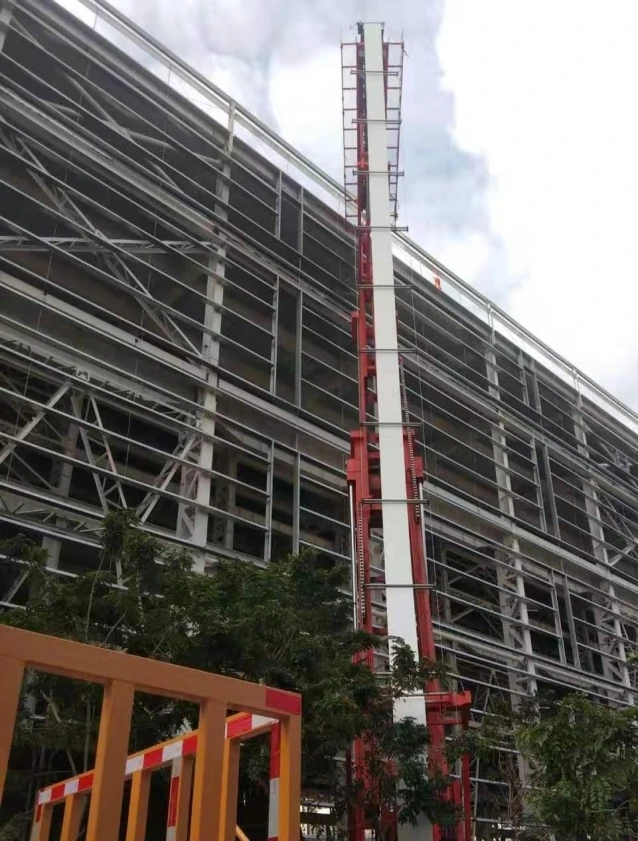
Reference photograph of a panel path. It cannot staff a support call.
Support lines to attach
- Work height and the catalog class to screen
- Roof geometry at the place a person must stand
- Profile, material, and which former is in the support line
- Wind if it changes whether a person can stay at the outlet
- Floor or ground under that person
- Access route for the person who is the hands
- Outrigger or track footprint beside them
- Destination country and the language of the advice
- Transport, separate from a support visit
- Control or access verb: advice, access, or neither
- Documents: the exclusion list, or “none supplied”
Send the work height, the site, the destination, the transport split, the zone where a person must stand, and the floor note. The signed schedule is project-specific. Editorial images do not include support.
Open ARC-T18, ARC-C25, or ARC-RF8. Request a quote, WhatsApp +86 15515922444, or leelogly120@gmail.com. The HSE guidance on work equipment is a Great Britain note. It does not define this support line.
FAQ
Is remote support the same as a repair?
No. Ask whether the offer sells advice, access, a travelling person, or parts. Those are different lines.
Can the seller connect in without the owner?
No. Consent is the owner’s. Unknown consent is not a yes. This page does not describe a connection method.
Who has to be on site?
The offer should name that role. If it does not, write unknown. Advice without hands at the machine is only advice.
Does the lift support cover the former?
Only if the line names the former’s seller. Otherwise keep a separate row.