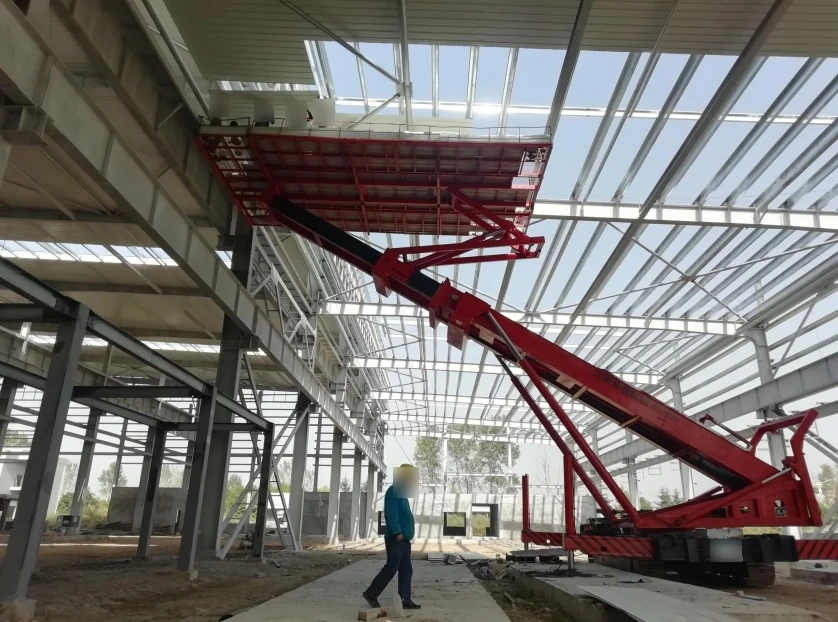
If the hall cannot take exhaust, do not shortlist a combustion mode. Record the air rule before you read a dual-power label. The rule is a building fact. The mode is a line on an offer. The dual-power selection guide compares energy sources. This page is only the air row you attach before that comparison, and the deck shortlist still belongs in the under-ceiling buyers guide.
Contents
- Record the air rule before the power label
- Compare combustion and non-combustion on this hall
- Where an indoor power guess may not fit
- Air and task lines to attach
- FAQ
Record the air rule before the power label
Write the rule in the owner’s words
Ask the building owner what may run indoors: no combustion, combustion only with a named exhaust path, or no rule yet. Copy their words. Do not translate “we’d rather not” into a ban, and do not translate silence into permission. A food plant once allowed electric decks in the packing hall and banned every engine past the hygiene door. The yard outside was a different rule. One sentence for the whole site would have bought the wrong mode.
Name the room, not the campus
The air rule often changes at a door. Write the room where the deck will stand and rise. If the machine must travel through a second room to get there, write that room too. A mode that is legal in the loading bay can be forbidden ten metres later. Measure the door on site. The catalog class does not contain the door or the air.
Say who will sign the rule
Name the role, not a private person: building engineer, hygiene lead, or still unknown. The supplier cannot sign the building’s air rule. The RFQ should show that you know the difference. If the role is unknown, the power row stays conditional. Confirm on RFQ means the equipment question is open. It does not mean you may invent the air rule to keep a quotation moving.
Keep height class off the air row
Screen 20m, 25m, 31m, or 35m for the soffit. Do not pick 35m because it sounds as if it could carry a scrubber you have not been offered. Height is reach. Air is permission. Write them on separate lines so a later reader cannot merge them into one optimistic sentence.
Compare combustion and non-combustion on this hall
Use the hall you have
| What the owner said | Mode you may ask about | What not to assume |
|---|---|---|
| No combustion indoors | Non-combustion only | That every class is sold that way |
| Combustion only with a named path | The path, then the mode | That a cracked door is the path |
| No answer yet | Nothing final | That silence is a yes |
| Different rule past a hygiene door | One row per room | That the yard rule covers the hall |
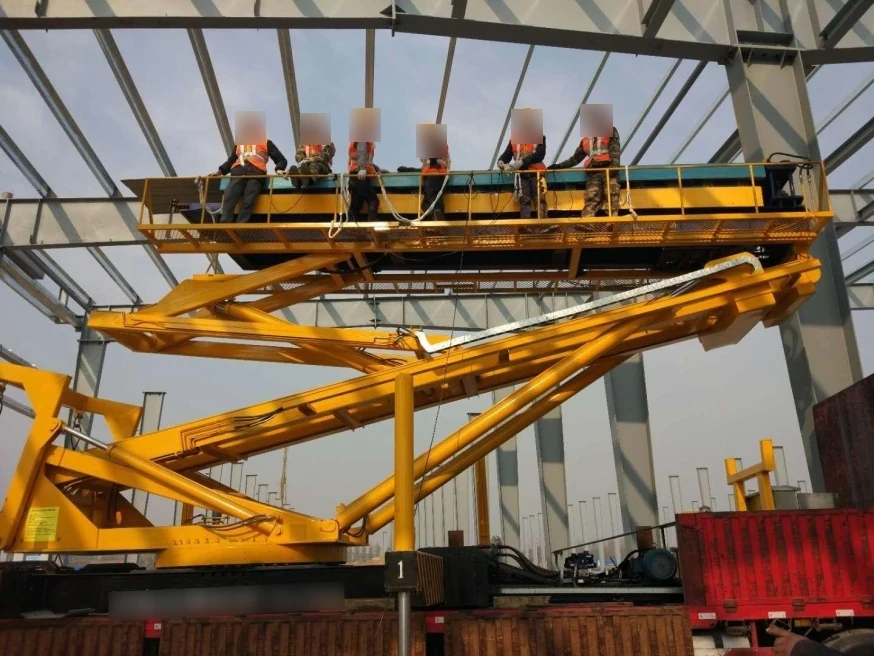
Reference photograph inside the hall. It cannot sample the air or permit an engine.
Ask which mode the offer will actually ship
A label that lists two modes is not a promise that the indoor mode is the one on this quotation. Ask which mode is included for the room you named. If the included mode is the one the room bans, the offer does not fit this hall, even if another mode exists on a different price line. Get that line in writing. “We can look at it” is not a mode.
Record ventilation as a building fact
If the owner points at fans, louvres, or a closed season, write that as their description. Do not calculate an air change. This page does not size ventilation. It stops a buyer from treating a roof fan in a photograph as permission for an engine. If the fan is off in the season you will work, say so.
Do not let the approach photo decide
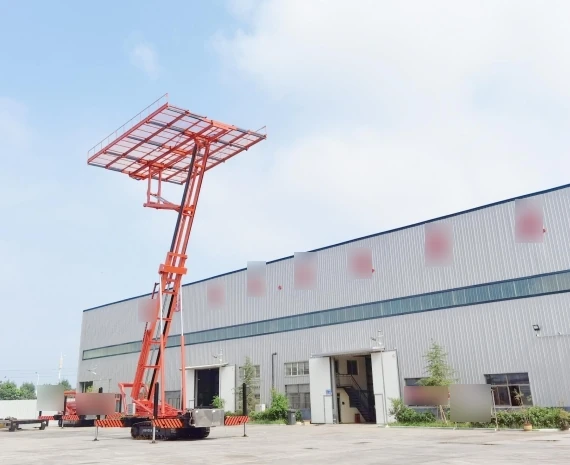
Reference photograph of open bays. It cannot prove those bays stay open during the work.
Open doors in a picture are a moment. The work may happen with the doors shut. Write the door state the owner requires. An open-bay photograph is not an exhaust path.
The trade-off is mode against permission. A combustion mode can be the right tool in a yard and the wrong tool past the hygiene door. The limitation is that a dual-power word hides which mode is in the price. The constraint is the owner’s air rule, which no catalog class contains. The interface is the quotation line that names the mode for the room you wrote down. If the line names the banned mode, stop and ask for the other line or drop the room.
An anonymous food plant split the site into two air rules on one drawing. The yard accepted an engine for the short move from the truck to the door. The process hall did not. The buyer first wrote “dual power, 31m, indoor.” The supplier answered with a dual-power label and did not say which mode was included once the deck was past the hygiene door. The useful rewrite was a table row: yard mode open, hall mode non-combustion only, exhaust path unknown, door to the hall stays shut during production. That row did not pick a machine. It stopped a quotation that would have been unusable on the first morning.
A second anonymous job was a sports hall with the doors open in every photograph and shut in the actual work window. The owner wanted the public doors closed while the deck was up, because the event setup was underway. A sentence that said “well ventilated, see photos” was false for the hours that mattered. The note that replaced it said: doors shut, no named exhaust path, combustion not accepted unless the owner later names a path. Until that path exists, screen ARC-F25, ARC-F31, or ARC-F35 only with the non-combustion line written out. Confirm on RFQ who owns the charger and where it sits, because a non-combustion mode that cannot be recharged in the allowed room is not a finished choice.
Do not average the two rooms into one air word. If one room bans exhaust and the other does not, the ban travels with the deck into the stricter room. Write the stricter room on the RFQ even when the photograph you like was taken in the looser room. The catalog height class does not contain an air rule, and a dual-power adjective does not either.
Where an indoor power guess may not fit
A ban you tried to soften
This shortlist may not fit when the owner said no combustion and the quotation’s only included mode is an engine. There is nothing to negotiate inside the height class. Change the mode or change the room. Do not ask the crew to “vent it” unless the owner has named a path.
A path that is only a door
It may not fit when the supposed exhaust path is a door the public uses, or a door that must stay shut for the process. Confirm on RFQ cannot turn that door into a stack. Measure who uses the door on site before you treat it as ventilation.
Two rooms, one sentence
It may not fit when the travel room and the work room have different rules and the offer answers only one of them. The deck still has to pass the first room. Write both, or mark the travel room unknown. A single “indoor” word is how the second room is forgotten.
Height used to dodge the air row
It may not fit when the buyer deletes the air row and sends only 31m, hoping the supplier will notice. Suppliers answer the rows they receive. A missing air row becomes an outdoor assumption. Put the rule back, even if the rule is “unknown.”
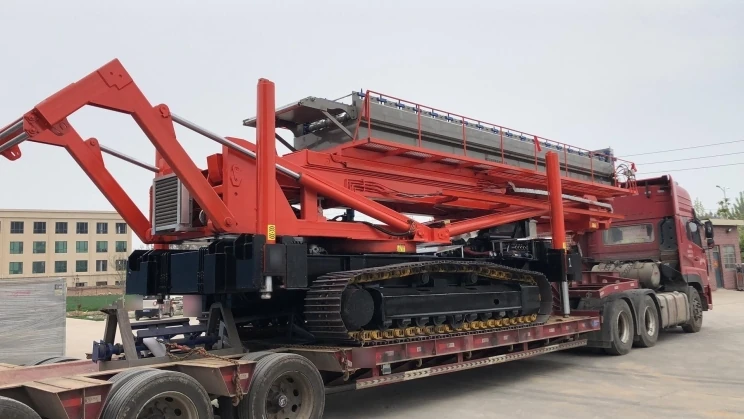
Reference photograph of equipment on a carrier. It cannot state an indoor emissions rule.
Air and task lines to attach
- Work height to the soffit in the room where the deck will rise
- Roof or ceiling geometry and the door into that room
- Materials on the deck
- Wind only if the owner requires doors open
- Floor under the tracks in each room the deck crosses
- Access route, including any hygiene or public door
- Outrigger or track footprint
- Destination country
- Transport to the building, separate from indoor mode
- Power mode allowed in each room, or unknown
- The owner’s air sentence, attached as a document or marked missing
Send the work height, the site air rule, the destination, the transport, the work zone, and the floor under the tracks. The signed schedule is project-specific. Editorial images do not permit an engine.
Open ARC-F25, ARC-F31, or ARC-F35. Request a quote, WhatsApp +86 15515922444, or leelogly120@gmail.com. The HSE guidance on work equipment is a Great Britain note. It does not measure your hall.
FAQ
Is electric the same as allowed indoors?
No. Electric is a mode you can ask about. Allowed is the owner’s sentence.
What if the owner has no written rule?
Write unknown and do not fill the gap with a brochure. Ask again before you freeze a mode.
Does a taller class carry cleaner air?
No. 31m and 35m are catalog height classes. Air is a building rule.
Where should the air sentence sit?
On the quote note, next to the room name and the mode you want priced.